
Last updated:
Union Island scuba diving offers world-class underwater experiences in the Lesser Antilles. This small island in Saint Vincent and the Grenadines welcomes divers of all skill levels. The warm Caribbean waters surrounding Union Island hide vibrant coral reefs and abundant marine life. Whether you're just starting out or you're an experienced diver, Union Island delivers incredible diving opportunities year-round.
Located at coordinates 12.5833, -61.4167, Union Island sits in a prime diving destination. The island covers just 8 square kilometers but punches well above its size in diving quality. With a population of only 2,500, you'll experience an authentic Caribbean atmosphere. Local dive operators know these waters intimately and guide divers safely to the best sites. The island's small size makes it easy to reach dive boats and explore multiple sites in one day.
Best Dive Sites in Union Island
Union Island scuba diving centers around several exceptional reef systems and underwater formations. The islands surrounding Union offer protected waters and consistent dive conditions. Most dive sites sit within 15 to 30 minutes by boat from the main dock. Divers encounter walls, coral gardens, and dramatic drop-offs throughout the region.
Tobago Cays represents the crown jewel of local diving. This protected marine park features five small islands with pristine reefs. The Horseshoe Reef creates a natural amphitheater of coral and fish life. Divers experience walls that plunge to 40 meters and beyond. Visibility typically exceeds 25 meters at Tobago Cays. You'll see parrotfish, groupers, and reef sharks patrolling the walls.
Palm Island Reefs provide excellent shallow and intermediate diving. These reefs start at 8 meters and gradually deepen to 20 meters. The coral gardens here are particularly colorful and healthy. Divers commonly encounter sea turtles and nurse sharks. The protected location makes these sites ideal for less experienced divers who want to see serious marine life.
The Pinnacles near Petit Saint Vincent offer dramatic rock formations rising from the seafloor. These underwater mountains create unique diving experiences. Strong currents sometimes flow through the Pinnacles, making them better for intermediate and advanced divers. The dramatic landscape attracts large pelagic fish like jacks and trevally.
Union Island House Reef sits just offshore from the main island. This convenient site allows easy access for divers staying on Union itself. The house reef features diverse coral and fish species. Multiple depth zones make it perfect for training and skill development. Night dives here reveal nocturnal creatures like octopuses and lobsters.
PRO TIP: Book your dive boat the evening before. This ensures your spot and allows the operator to plan the day's itinerary based on weather and sea conditions. Morning departures typically happen between 8 and 9 AM.
Scuba Diving for Beginners in Union Island

Union Island welcomes beginners with open arms and professional instruction. The calm, shallow reefs around the island provide perfect learning environments. Water temperatures stay warm year-round, typically around 28°C. Beginners rarely feel cold even without thick wetsuits. The excellent visibility lets new divers see marine life clearly from their first moment underwater.
Getting certified in Union Island takes three to four days. Certification courses follow internationally recognized standards like PADI. You'll complete classroom work, confined water training, and open water dives. Most instructors teach certification courses starting at your accommodation. The confined water training happens in shallow, protected areas. Open water dives take place at beginner-friendly sites with depths under 15 meters.
Many operators offer discover scuba programs for absolute beginners. These abbreviated programs let you try scuba without full certification. You'll complete a brief classroom session and confined water practice. A professional instructor then takes you on a shallow dive to experience the underwater world. Discover programs typically take 3 to 4 hours total. No previous diving experience is necessary.
Beginners should bring confidence and comfort with water. Swimming ability helps but isn't strictly required. You'll wear a full wetsuit even in warm water to prevent coral cuts and sun damage. All equipment rental is available through local dive operators. Most rental gear is well-maintained and modern. Tell your instructor about any concerns. They'll adjust the experience to your comfort level.
The local dive operators understand beginner nerves. They keep group sizes small, usually three to four divers per instructor. This personalized attention builds confidence underwater. You'll move slowly through your dives, taking time to adjust to breathing underwater. Instructors praise progress and encourage questions. The entire experience emphasizes safety and enjoyment over pushing limits.
PRO TIP: Complete your certification course early in your trip. This leaves the rest of your vacation free for leisure dives at whatever pace you choose. You'll arrive more relaxed and ready to explore.
Snorkeling in Union Island
Snorkeling in Union Island requires no certification or experience. You simply need basic swimming ability and comfort with a mask. Snorkelers access the same coral reefs that divers explore. You'll stay on the surface but see incredible marine life and formations. Many families combine diving and snorkeling on the same vacation.
The Tobago Cays offer exceptional snorkeling in shallow waters. The protected lagoon between the five islands has depths of only 5 to 10 meters. You can snorkel directly over coral gardens teeming with tropical fish. The shallow water provides clear views and safe conditions for all ages. No boat ride is required from certain beach access points.
Palm Island Reefs are equally excellent for snorkeling. The sloping reef design means snorkelers can explore without going deep. You'll see parrotfish, angelfish, and damselfish in their natural habitat. Sea turtles frequently visit these reefs to graze on seagrass. Patience and quiet observation reward you with close encounters.
Rental snorkel gear is widely available on Union Island. A basic setup includes mask, snorkel, and fins. Most operators rent equipment by the day or half-day. Rental costs are modest and reasonable. Many accommodation options include snorkel gear with your stay. Always test the mask seal before entering the water. Ask staff to adjust anything that doesn't fit properly.
Snorkeling trips typically last 2 to 3 hours. Most boat tours combine snorkeling and lunch at a beach. You'll spend about an hour in the water and time on shore to eat and rest. The pace is relaxed and informal. Children as young as five or six can snorkel safely with proper supervision. Consider protective clothing for children to prevent sunburn.
Dive Schools and Operators

Union Island hosts several professional dive operations run by experienced instructors. These operators maintain safety records and modern equipment. Most schools operate year-round with consistent schedules. They offer daily dives, certification courses, and specialized training. Staff speak English and communicate clearly with international visitors.
Dive operators typically base out of Clifton, the main settlement on Union Island. Clifton sits on the western coast with protected harbor waters. From here, boats reach most dive sites within 20 to 40 minutes. Daily dive operations usually include two dives per day. Morning dives depart around 8 AM and return by noon. Afternoon dives depart around 1 PM and finish by 4 PM.
Choosing an operator depends on your needs and preferences. Ask about group sizes, instructor certifications, and equipment quality. Inquire about safety procedures and emergency protocols. Reputable operators carry first aid kits and oxygen. They maintain radio communication with surface support. Most use modern boats with shaded areas and bathroom facilities.
Certification courses represent a major service offering. PADI certified instructors teach Open Water, Advanced Open Water, and Rescue Diver courses. Specialty courses cover topics like underwater photography, deep diving, and night diving. Course durations range from one to five days depending on the certification level. Expect to invest time in classroom study and practical water training.
Pricing varies by operator and service. Single recreational dives typically cost between XCD 150 and 250 (approximately USD 55 to 95). Certification courses run higher due to required training time. Rental gear adds extra cost if you don't bring your own equipment. Multi-dive packages often offer discounts. Ask operators about current rates when booking.
Accommodations throughout Union Island work with dive operators. Many hotels and guesthouses arrange dives for guests. Some locations offer dive packages combining lodging and multiple dives. These packages often provide better value than booking separately. Ask about these options when reserving your room.
PRO TIP: Bring your diving certification card even if you're confident in your level. Operators legally verify certifications before accepting you on advanced dives. Digital copies work in a pinch, but physical cards process faster.
What You Will See Underwater
Union Island's underwater realm teems with colorful fish species. Parrotfish are ubiquitous, grinding coral into sand as they feed. You'll hear their munching sounds while diving. Groupers lurk near coral heads, occasionally emerging to hunt smaller fish. Brain coral, elkhorn coral, and staghorn coral dominate the reef structure. Soft corals wave gracefully with the current.
Sea turtles visit Union Island reefs regularly. Green turtles and hawksbill turtles forage for food and materials. These gentle giants rarely flee from calm, respectful divers. Encounter them early morning or late afternoon during their feeding hours. Never touch turtles or chase them for photographs. Observe from a distance and let them continue their natural behavior.
Sharks patrol the deeper reefs but pose no threat to divers. Caribbean reef sharks are common but shy. Nurse sharks rest on the sandy bottom, harmless unless provoked. Occasional sightings of bull sharks happen at deeper sites. Most divers consider shark sightings a privilege and photo opportunity. Sharks indicate a healthy reef ecosystem.
Smaller creatures reveal themselves to patient observers. Seahorses hide among seagrass in shallow areas. Octopuses change color and texture on command. Moray eels peer from crevices, their reputations far scarier than reality. Brittle stars and sea cucumbers work the sandy areas. Mantis shrimp display incredible colors. Night dives reveal entirely different creatures including lobsters and crabs.
Rays glide gracefully across sandy bottoms. Southern stingrays are common, passing harmlessly if left alone. Eagle rays occasionally visit the reefs in schools. Spotted eagle rays produce a graceful underwater ballet. These encounters happen unexpectedly and create lasting memories.
Invertebrates showcase incredible diversity. Spiny lobsters hide in rock crevices during the day. Sea urchins cover the reef in various sizes and colors. Starfish display brilliant patterns. Nudibranchs, tiny sea slugs with bright colors, fascinate macro photographers. Sea stars, sponges, and anemones create a living patchwork.
Best Time To Dive in Union Island
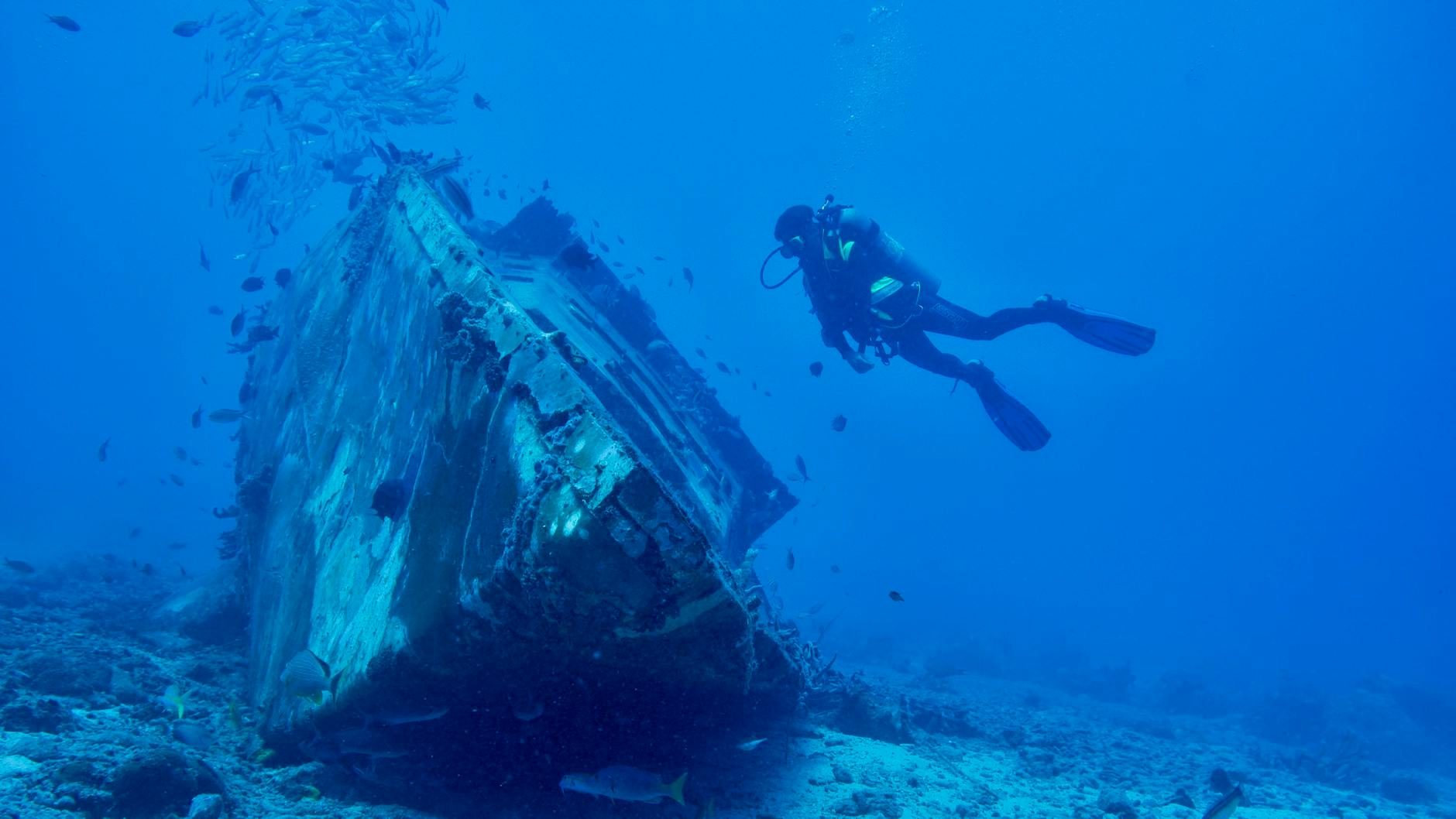
Union Island offers year-round diving, but certain seasons excel. The dry season from January through May brings the best conditions. These months feature calm seas and minimal rainfall. Water visibility reaches 25 to 40 meters regularly. Temperatures stay warm and consistent around 28°C. This period aligns with Union Island's official best months for overall travel.
January and February represent peak season. Trade winds are lighter, creating glassy water conditions. Ocean swells diminish significantly. These months attract visiting divers from around the world. Dive schools operate at full capacity. Book accommodations and dives well in advance. Expect higher prices during this peak period.
March, April, and May offer excellent conditions with fewer crowds. Trade winds remain gentle and consistent. Visibility stays excellent. Water remains warm. These months fall just after peak season, so pricing drops slightly. Weather remains stable and predictable. This sweet spot combines great conditions with more availability.
The hurricane season runs from June through November. This period brings occasional rain and rougher sea conditions. Some operators reduce schedules during these months. Visibility can drop due to runoff. Diving still happens but becomes less predictable. If you visit during hurricane season, expect to be flexible with dive scheduling.
Summer months from June through September bring warmer water and occasional sudden weather changes. Storms develop and pass quickly. Diving windows open between weather systems. These months appeal to budget travelers accepting less predictable conditions. Water temperatures peak around 29 to 30°C. Rainfall provides fresh water for drinking but muddles nearshore visibility.
Fall months from October through December continue hurricane season patterns. October and November bring elevated risk. December begins the transition toward dry season. Weather stabilizes heading into January. Most visitors avoid October and November for diving vacations. December offers improving conditions as the dry season approaches.
Regardless of season, morning dives provide better visibility. Wind and waves increase through afternoon hours. Early morning departures let you finish dives before conditions deteriorate. This pattern holds true year-round. Plan breakfast early and board boats by 8 AM for optimal conditions.
PRO TIP: Check weather forecasts three to five days out and stay flexible. Book dives with operators who reschedule for weather rather than canceling. This maximizes your chances of getting in the water during your stay.
Frequently Asked Questions
Do I Need Certification To Scuba Dive in Union Island?
Yes, you need valid scuba certification to dive independently on Union Island. Dive operators legally require proof of certification before taking you below the surface. However, you can obtain certification during your visit through PADI courses offered by local operators. Alternatively, try a discover scuba program that requires no prior certification. This abbreviated experience lets you sample diving with professional supervision before committing to full certification.
What Is the Best Time of Year for Union Island Scuba Diving?
January through May offers the best diving conditions on Union Island. These months feature calm seas, minimal rain, and excellent visibility of 25 to 40 meters. Water temperatures stay consistently warm around 28°C. This period is considered the dry season and attracts most visiting divers. If you prefer fewer crowds, March, April, and May provide excellent conditions with less competition for dive spots and potentially lower accommodation prices.
How Much Does Scuba Diving Cost in Union Island?
Single recreational dives typically cost between XCD 150 and 250 per dive. Certification courses vary by level, ranging from several hundred to over a thousand dollars. Equipment rental adds extra charges if you don't bring your own gear. Many dive operators offer package deals for multiple dives. Multi-dive packages and combination diving plus accommodation packages often provide better overall value than booking services separately.
Is Union Island Good for Beginner Divers?
Union Island is excellent for beginner divers. Shallow reefs, warm water, and calm conditions create ideal learning environments. Local operators offer professional certification courses and discover scuba programs. Instructors keep group sizes small and move at comfortable paces. The house reef near Clifton provides easy access for practicing new skills. Most accommodations arrange dives, making it convenient for first-time visitors to get certified during their stay.
Can I Snorkel in Union Island Without Diving Certification?
Yes, snorkeling requires no certification whatsoever. You need only basic swimming ability and comfort wearing a mask and snorkel. Union Island's shallow reefs provide excellent snorkeling in just 5 to 10 meters of water. Many boat tours combine snorkeling with lunch and beach time. Rental gear is inexpensive and readily available. Snorkeling lets you experience the same marine life and coral as divers but from the surface without technical training.